
Glass Bongs
-

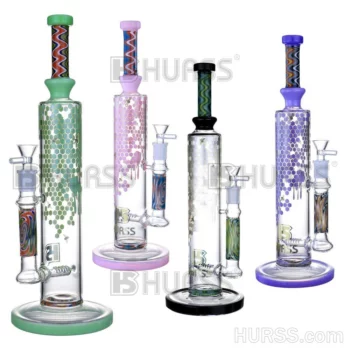 Glass BongsHURSS Glass HPC-039
 -
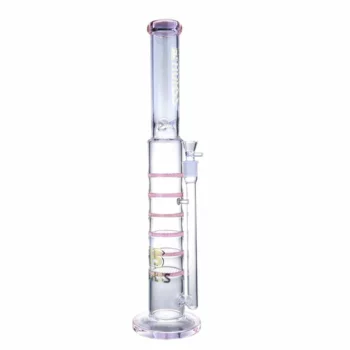
 Glass BongsHURSS Glass HPA-006
 -
 Water Pipes & BongsHURSS Glass HPC-036
 -
 Glass BongsHURSS Glass HPB-030
 -
 Glass BongsHURSS Glass HPA-066
 -
 Glass BongsHURSS Glass HPB-032
 -
 Glass BongsHURSS Glass HPB-029
 -
 Beaker BongsHURSS Glass HPA-019
 -
 Beaker BongsHURSS Glass HPA-003
 -
 Beaker BongsHURSS Glass HPA-001
 -
 Beaker BongsHURSS Glass HPA-012
 -
 Beaker BongsHURSS Glass HPA-058
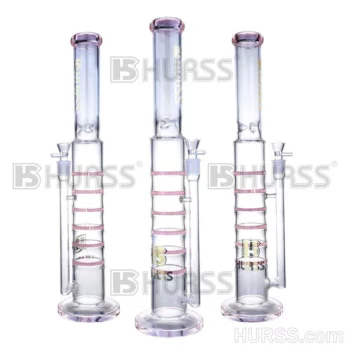
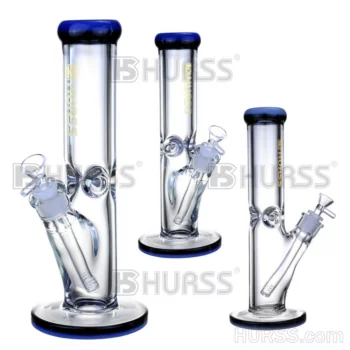
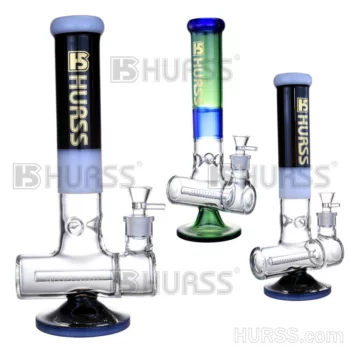
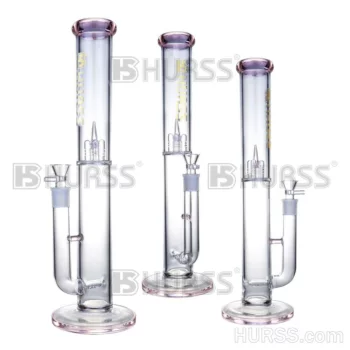
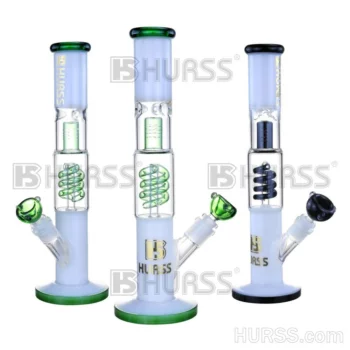

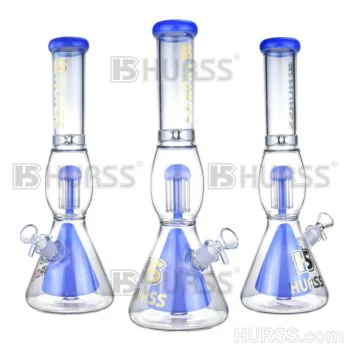

Glass Bongs
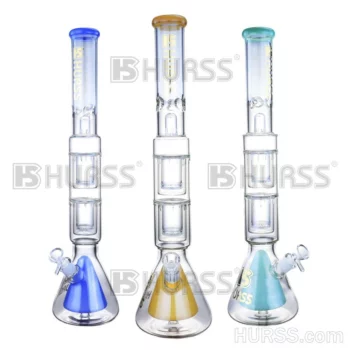
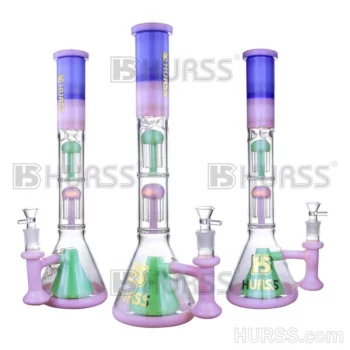
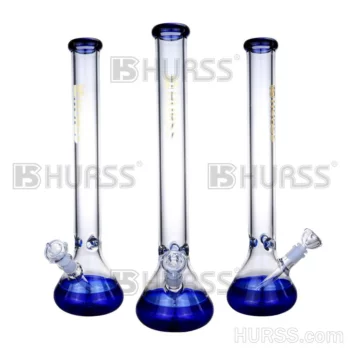
Glass bongs are more than just functional devices for smoking; they are intricate works of art available in a wide array of colors, styles, and textures. Some are elegantly simple, resembling elongated pipes or hookahs, while others exhibit intricate craftsmanship worthy of museum displays. Crafted by skilled artisans with the primary purpose of enhancing the smoking experience, bongs seamlessly blend elegance with utility. They can be discreetly stashed away when not in use or proudly showcased, even serving as eye-catching centerpieces.
Modern bongs have evolved from their predecessors, the hookahs, which are believed to have originated in the 16th century. As tobacco use became more widespread, so did the use of hookahs. In a parallel manner, bongs gained popularity as the use of various herbs and tobacco spread globally. Some argue that bongs eventually surpassed their ancestors as they became the favored method for consuming a variety of natural products.
Among the plethora of smoking options, including rolling papers, pipes, and one-hitters, bongs remain the most iconic choice for smoking a wide range of natural substances. As iconic imagery, they are as recognizable as any popular soft drink or beloved comic book logo. Whether in movies, cartoons, books, or video games, glass bongs are ubiquitous in contemporary culture.
The Historical Roots of Bongs
While contemporary bongs can be traced back to hookahs, evidence suggests the existence of earlier versions used by ancient civilizations. Archaeologists in Russia unearthed ancient bongs that date back more than 2,400 years. These ancient bongs, used by specific members of the Scythian culture, were likely employed for ceremonial or ritualistic purposes by shamans or tribal leaders.
Although the word “bong” has Thai origins, evidence of these smoking devices has been found in 16th-century China, India, Vietnam, Laos, and various African countries. They appear to have evolved independently across different cultures, making them an integral part of our shared global cultural history, akin to coin bags, footwear, or traditional weaponry.
How Do Bongs Function?
Glass bongs consist of several components, including a stem, a bowl, a downstem, and a water-filled base. After packing tobacco or herbs into the bowl and igniting them, a deep inhalation draws the smoke through the stem or downstem, through the water, and up the tube—the “trunk,” so to speak—delivering it to your mouth. This may appear intricate or peculiar, but it serves as an ingenious filtration mechanism.
As the smoke traverses the water, specific molecules and particles are trapped or filtered out, resulting in a smoother and less harsh inhalation. Compared to other smoking methods, such as using rolling papers or wooden pipes, bongs are less likely to cause throat irritation or burning sensations. If you’ve ever taken too deep a drag from a cigarette or inhaled too forcefully from a pipe, resulting in coughing fits and throat discomfort, you’ll appreciate the purpose of bong filtration.
Wholesale Introduction:
Are you in search of premium glass bongs for your retail business or distribution network? Look no further! Our factory specializes in producing top-quality glass bongs in bulk quantities. As a wholesale buyer, you can take advantage of competitive pricing, allowing you to maximize your profit margins. Elevate your product line with our high-quality smoking solutions. Contact us today to discuss custom orders and wholesale pricing options. With our wholesale offerings, you can provide your customers with these iconic smoking devices that seamlessly combine artistry with functionality.